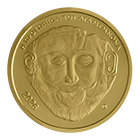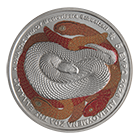
THE LABOURS OF HERCULES
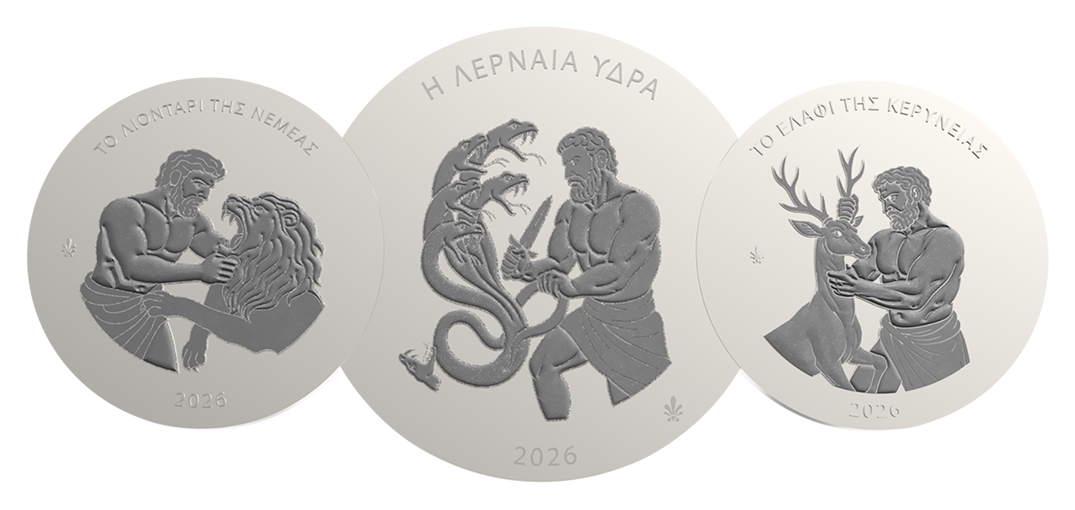
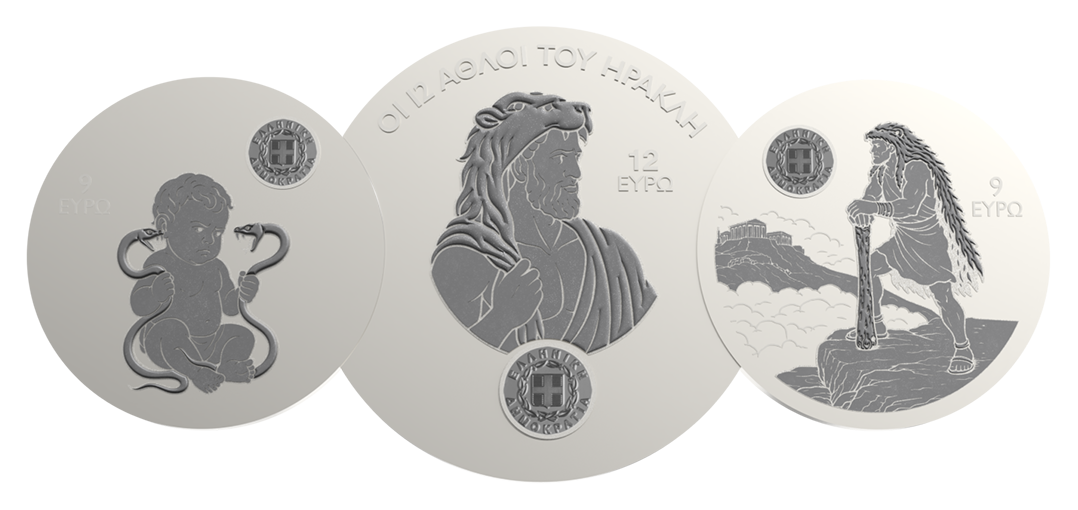
Hercules, the greatest of Greek heroes, was son of Zeus to a mortal mother, Alcmene. Ever jealous of her husband’s illegitimate offspring, Hera persecuted Hercules with implacable enmity throughout his life. She sent serpents to Thebes to attack Hercules in his cradle, but the infant strangled them. Hercules had a claim to the throne of the Argolid through his mortal father, Amphitryon. Indeed Zeus had destined him to be king, but his plan was foiled by Hera’s ruse and Hercules became instead a vassal of Eurystheus. Hera drove Hercules mad and caused him to murder his Theban wife, Megara, and their children.
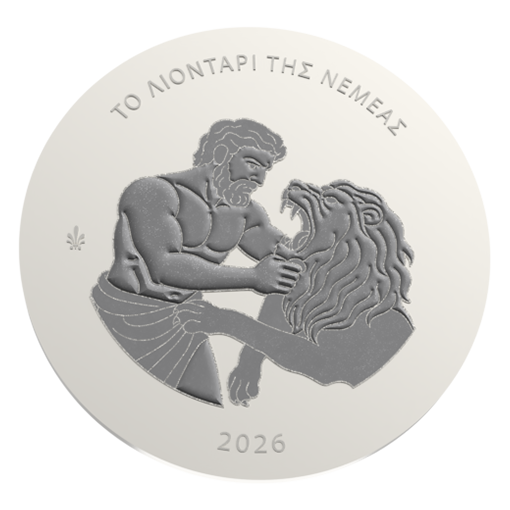
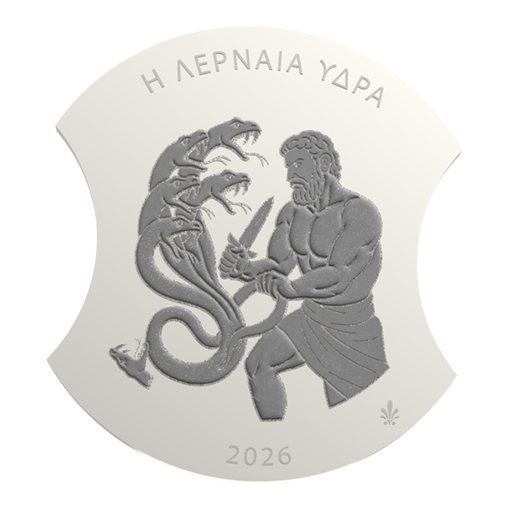
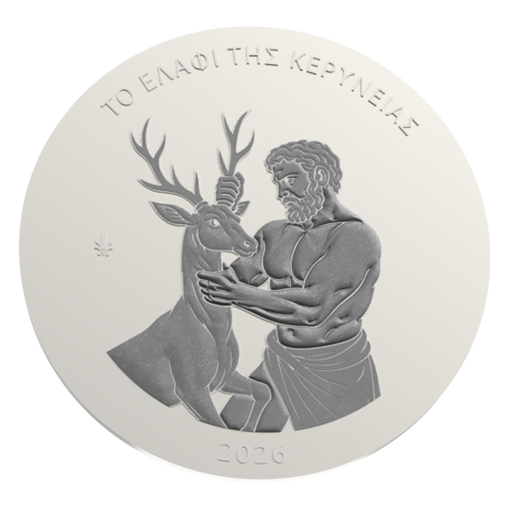
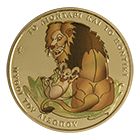
Hercules was sent to perform his 12 labours by Eurystheus, possibly to expiate his crime. The first six labours (the killing of the Nemean lionand the Lernaean Hydra, the capture of the Ceryneian hind and the Erymanthian boar, the cleaning of the Augean stables and the killing of the Stymphalian birds) are situated in the Peloponnese, while the other six labours brought him to the ends of the habitable world and beyond: the Cretan bull to the south; the horses of the Thracian Diomedes to the north; the quest for the girdle of the Amazon queen Hippolyte to the east; the search for the cattle of Geryon to the west; the apples of the Hesperides to the edge of the world; and Cerberus, the hound of Hades, to the netherworld.
Several other feats were attributed to Hercules, either as independent exploits or as incidents in the course of the labours proper: the first sack of Troy, a Centauromachy, participation in the Argonautic Expedition, etc. After being inadvertently poisoned by his second wife, Deianira, he self-immolated on Mount Oeta.
Throughout his life and many adventures, Hercules was supported by Athena, by whom he was introduced to Olympus after his death. Thus, he became immortal and was given the goddess Hebe as wife. His cult was very popular across the Greek world, especially in his birthplace, Thebes. He represented the manly ideal and was worshipped as protecting deity, averter of evil and patron of ephebes. His descendants (the Heraclids) returned to the Peloponnese at the head of a Dorian army and conquered it, with the exception of Arcadia. The royal houses of Sparta and Macedon claimed him as their ancestor, and Alexander the Great was often depicted wearing a lion’s pelt like Hercules.
Technical specifications
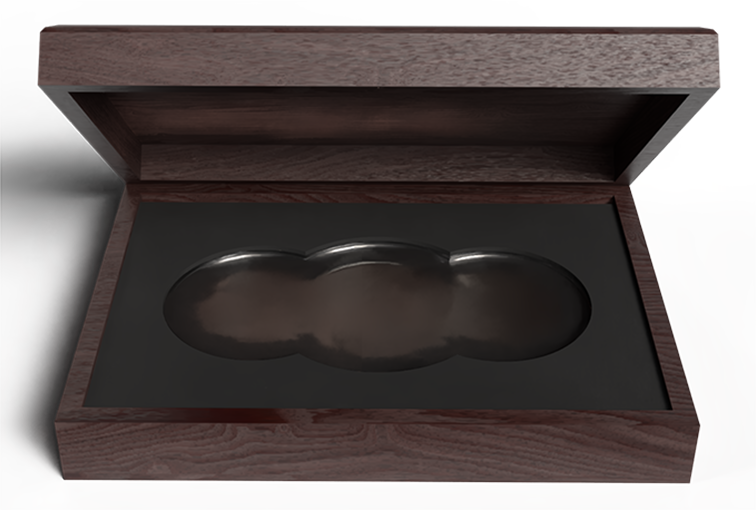
Coins included